
Adaptive musical education - LIVE!
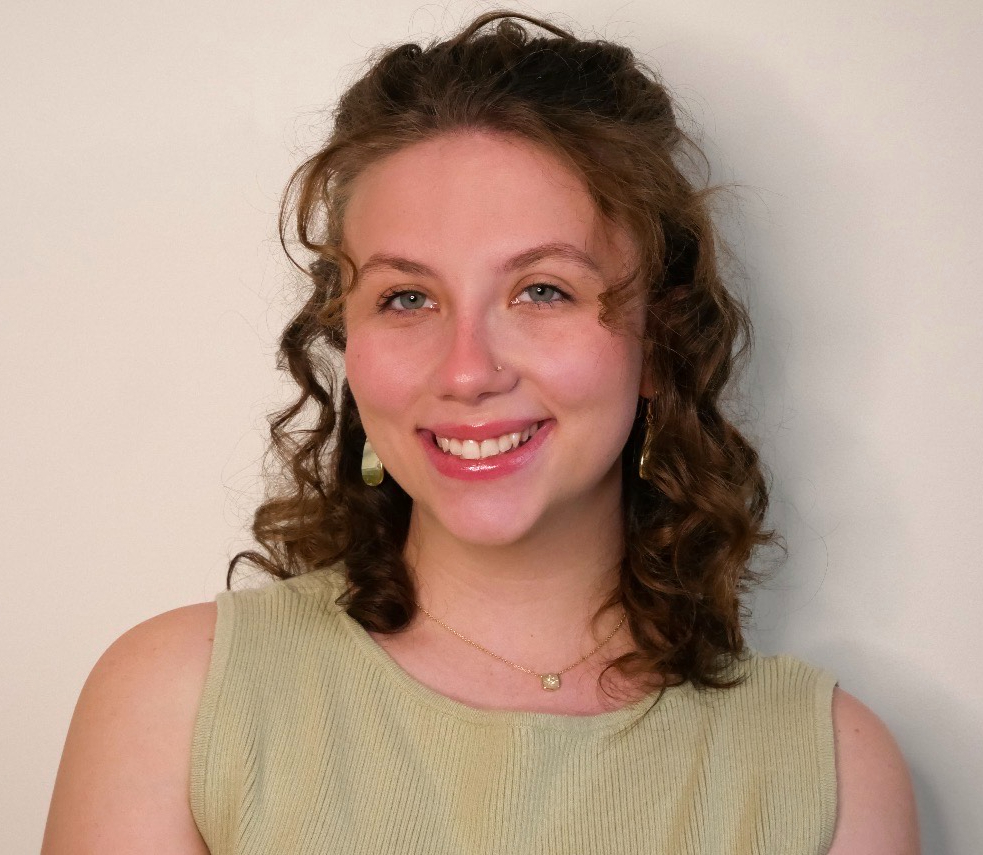
What do you think of when you hear the term “music class”? Perhaps you think of joyful dancing around the room, colorful boomwhackers hitting the floor, singing, and learning about the greatest musicians throughout history. As an educator, and as a member of TacTone, I strive to expand upon this understanding of what music class does and should look like.
One of the most important parts of engaging with music is internalizing it. What does the music feel like in my body? Is the music heavy with a strong steady beat, or is it smooth and flowing? What do we notice? How do we respond to what we notice? Many people may assume that we can come to these answers by using our ears to hear and identify different elements of sound. Then we respond by verbally reflecting on what we have heard, moving our bodies to represent the music, or we perform with voices and/or instruments to demonstrate understanding.
I have learned from studying musicians like Evelyn Glennie, who have challenged our understanding of musicianship, that there is a distinction between hearing and listening. Listening is an intentional attempt to understand something or someone, and it goes beyond the physiological process of interpreting sound.This applies to a much broader spectrum of individuals than just those with hearing loss. All students can practice listening, and for neurodivergent students, encouraging this listening can be the difference that makes a concept “click” for them.
So, what happens when we teach children to listen to music using their whole body? To explore this more, I was able to bring one of the products that we are developing at TacTone into a class of neurodivergent children. This adaptive tool was incorporated into a lesson about Evelyn Glennie, a deaf percussionist who performed and went to music school even when she was told by doctors that she wouldn’t be able to after losing her hearing. This lesson gives students a model of resiliency and teaches them that just because access might look different, having a disability does not make pursuing your dreams impossible. Then, presenting our product to students, we are able to show an example of expanding access to musical experiences. Using this product, we practiced feeling sound and responding to what we felt by improvising on a drum. Students responded with curiosity and joy, and as their teacher, I noticed that adding a kinesthetic element to the listening process resulted in expressive musical responses that were in time and in sync with the feel of the musical excerpt that accompanied the activity. Students were performing at a higher level than what I have observed over multiple weeks of working with them.
What’s next?
The success of this lesson and experience has pushed me to seek more ways to incorporate adaptive materials into a music curriculum that serves all students. I am striving to maximize the versatility of our product and detail as many applications of it as possible. I cannot wait to share more of our findings from the education team as we push further into our development! Stay tuned for more.
Comments